
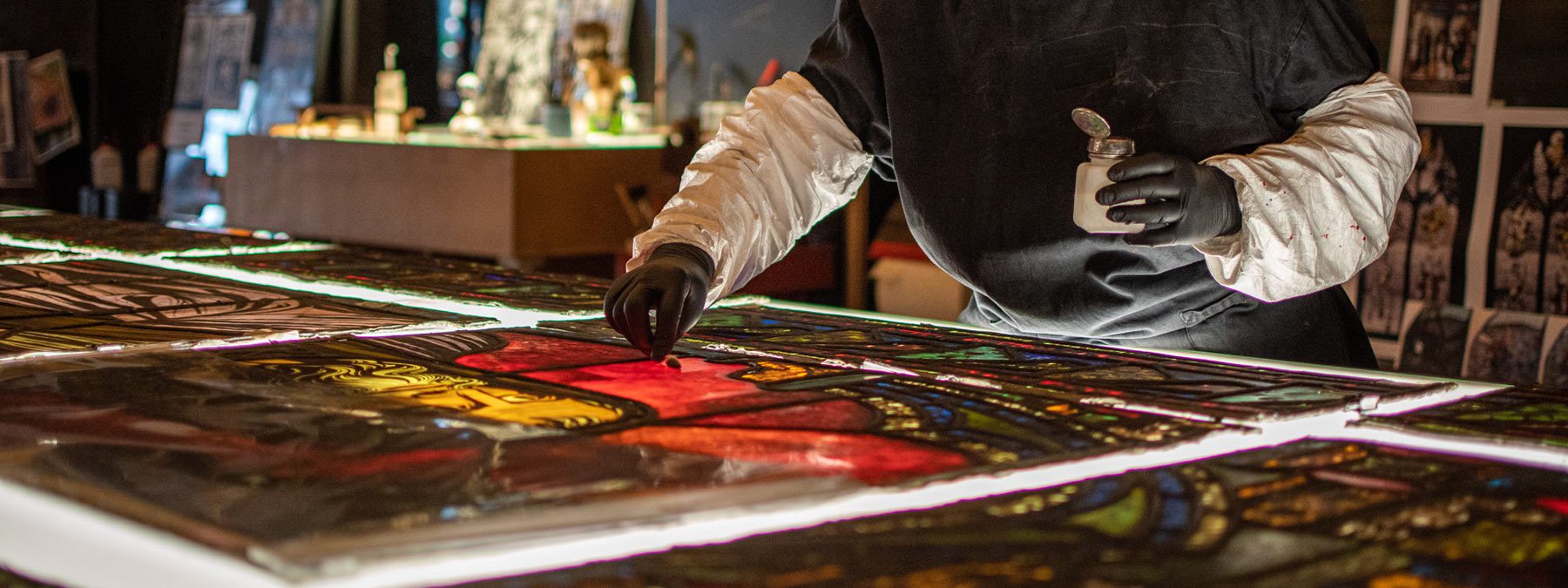
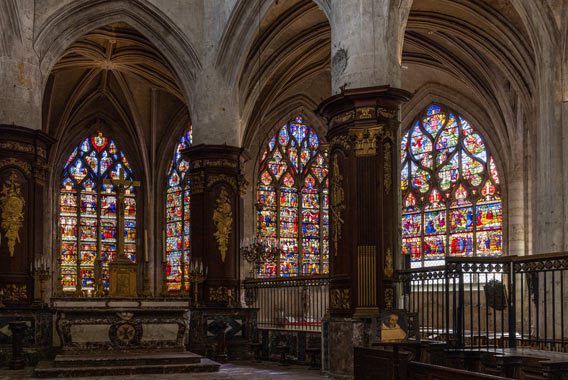
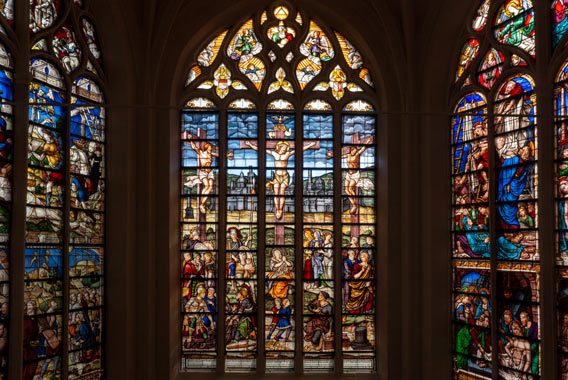
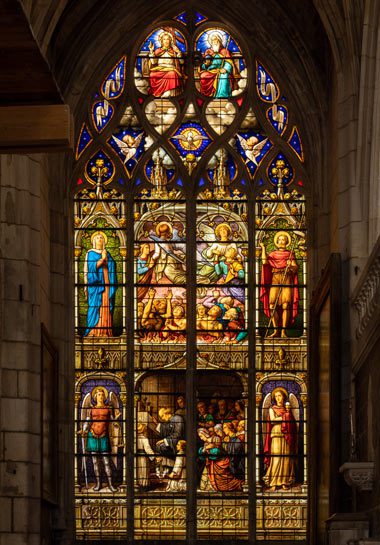
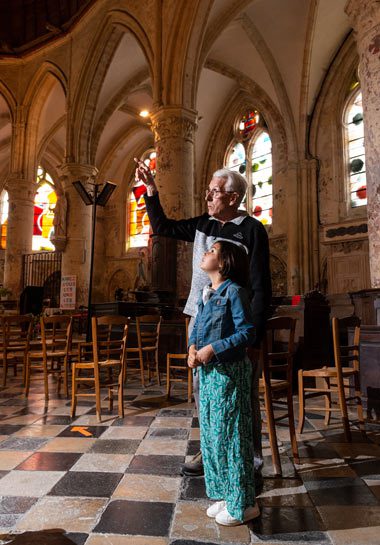
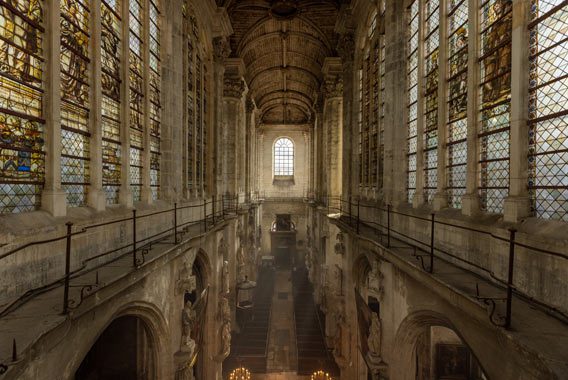
In the Aube, you can discover the art of stained glass in more than 350 religious and secular buildings, from the Cathedral of Saint-Pierre-et-Saint-Paul in Troyes to village churches and historic townhouses. Together, these windows offer a remarkable overview of stained-glass art from the 12th to the 21st century, with particularly outstanding examples from the 16th and 19th centuries. The exceptional richness and quality of this heritage make the Aube a true European centre of stained-glass art.
A wealth of stained glass in the Aube’s churches since the Middle Ages
As early as the 18th century, historians recognised the richness of this heritage. Pierre Le Vieil, one of the first historians of stained-glass art, wrote: “There is perhaps no district in France with so many precious painted-glass windows as the town of Troyes in Champagne and its surroundings.” (1774, The Art of Glass Painting and Glazing).
What also makes this heritage unique is its extraordinary concentration across the region. In Troyes, the Cathedral of Saint-Pierre-et-Saint-Paul alone boasts 1,500 m² of stained glass, making it a veritable museum of the art form. Its windows illustrate almost every major style from the 13th to the 19th century. Equally remarkable examples, both historically and artistically, can be found in churches throughout the Aube’s smallest villages. Thanks to this exceptional heritage, the Aube in Champagne is an open book on the history and techniques of French and European stained glass, from its origins to the present day.
Contemporary stained-glass creations of the 20th and 21st centuries
Although most stained glass is found in religious buildings, the art form has also adorned secular buildings since the mid-15th century. It can be seen in public buildings used in everyday life.
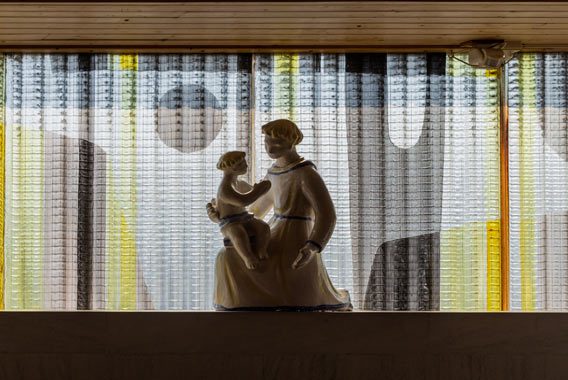
Since the mid-20th century, and particularly since the beginning of the 21st, a vibrant and inventive contemporary movement has transformed designs and techniques. This movement is particularly visible in the Aube, thanks in part to the presence of talented master glassmakers. Contemporary works are often incorporated into projects to restore and showcase historic buildings. Some notable examples include:
- The stained-glass windows of Sainte-Agnès Church in Fontaine-les-Grès (1955)
- The 24 stained-glass windows of Saint-Pierre-et-Saint-Paul Church in Villenauxe-la-Grande designed by British artist David Tremlett (2005)
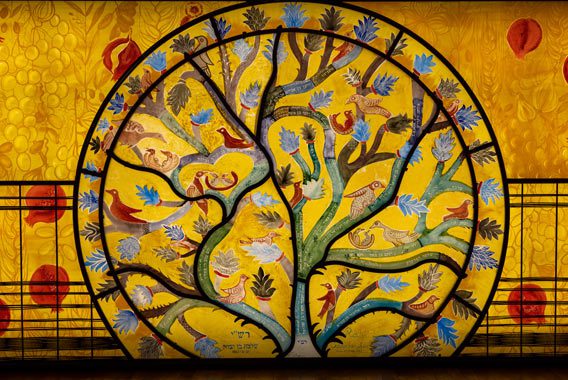
- The stained-glass installation at Maison Rachi in Troyes (2016)
The Cité du Vitrail: a cultural centre dedicated to stained glass
Opened on 17 December 2022, it has already welcomed more than 50,000 visitors!
The Cité du Vitrail is housed in the west wing of the Hôtel-Dieu-le-Comte, a remarkable 18th-century complex acquired by the Aube Department in 1990 and restored in 2021. Spanning 3,000 m² across four levels, the Cité du Vitrail features a permanent exhibition of original works entirely dedicated to stained glass. The exhibition explores the history of stained glass, how it is made and the techniques used, offering visitors fascinating insights into this art form. A must-see during your stay!
The Stained Glass Route: discover 70 remarkable sites across the Aube
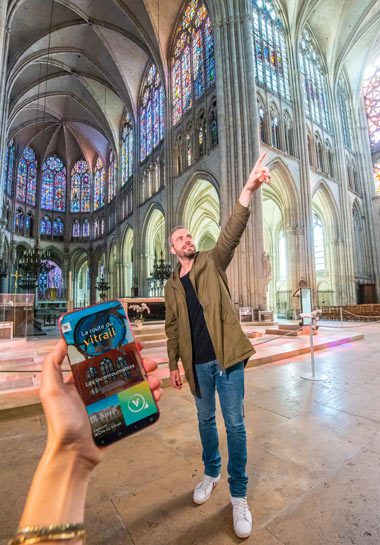
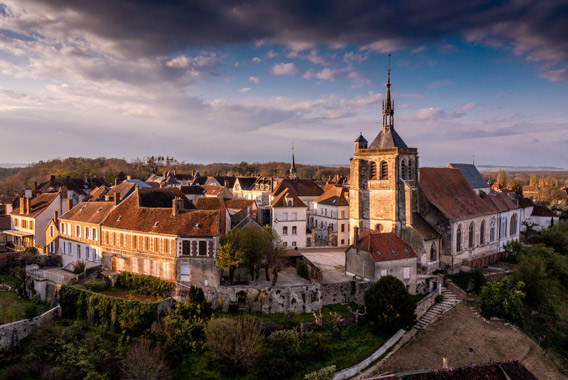
This route takes you across the Aube to discover its stained-glass masterpieces and experience the magic of light in their original settings. With the help of a web app, you can explore 70 religious and secular buildings. Whether in towns or in the countryside, you can discover stained glass in all its forms, from historic to contemporary, figurative to abstract.
The aim is to make it easy to appreciate these works in the places for which they were created. Sites have been selected for their historical, technical and artistic significance, as well as the condition of their stained glass. Contemporary creations also feature prominently along the route.